

Fintech & Banking Technology
What Is a Prepaid Debit Card & How It Differs From Bank Accounts
Sep
What a Prepaid Debit Card Actually Is
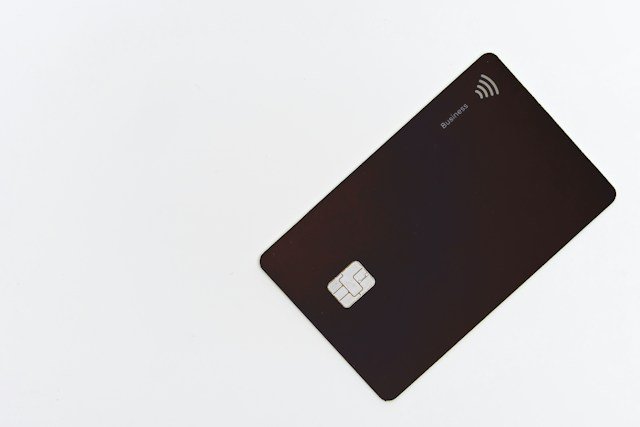
A prepaid debit card is a payment card that draws only from funds you’ve loaded onto it in advance, rather than pulling from a linked bank account or extending credit the way a credit card does. Once the loaded balance is spent, the card simply won’t authorize further purchases until more funds are added, making it functionally impossible to spend money you haven’t already deposited onto the card.
Despite carrying a major card network logo — Visa, Mastercard, or similar — and working at nearly any terminal that accepts standard card payments, a prepaid card is structurally quite different from a debit card tied to a traditional checking account.
A Brief History of Prepaid Cards in the U.S.
Prepaid cards emerged in the U.S. market in a meaningful way during the 1990s and early 2000s, initially popularized largely as a gifting product — a way to give a fixed dollar amount as a present without handing over cash directly. Over time, as issuers began partnering with FDIC-insured banks and expanding features like direct deposit and reloadability, prepaid cards evolved from a niche gift-card alternative into a legitimate everyday financial tool, particularly for the significant portion of Americans who are unbanked or underbanked and were looking for an accessible alternative to a traditional checking account.
How Prepaid Cards Actually Work Behind the Scenes
Where the Money Actually Lives
When you load funds onto a prepaid card, that money is typically held in a pooled account managed by the prepaid card issuer, often at an FDIC-insured partner bank, rather than in an individual bank account opened specifically in your name the way a traditional checking account would be. Your specific balance is tracked internally by the card issuer’s system, associated with your specific card number.
How Loading Funds Works
Prepaid cards can typically be loaded through several methods: purchasing a card with a fixed preloaded amount at a retail store, adding funds at a retail location’s reload network, direct deposit of a paycheck, or transferring money from a bank account or another card.
How Transactions Process
When you use a prepaid card to make a purchase, the transaction flows through the same underlying card network infrastructure as a standard debit or credit transaction — the merchant’s payment terminal doesn’t inherently know it’s processing a prepaid card versus a traditional bank-linked one, since the authorization request looks essentially identical from the merchant’s side.
| Feature | How It Works With a Prepaid Card |
|---|---|
| Funding source | Money loaded in advance by the cardholder |
| Spending limit | Capped strictly at the current loaded balance |
| Overdraft possibility | Generally not possible, since there’s no credit extension or linked account to draw from |
| Account ownership structure | Often a pooled account managed by the issuer, tracked per cardholder internally |
A Practical Example: Imagine someone loads $200 onto a prepaid debit card to manage a specific month’s grocery and entertainment budget. They use the card throughout the month for various purchases, and once the balance reaches zero, any further attempted purchase is simply declined at checkout — there’s no possibility of accidentally overspending or triggering an overdraft fee, since the card mechanically cannot authorize a transaction that exceeds the current loaded balance. This built-in spending ceiling is one of the most commonly cited reasons people choose prepaid cards specifically as a budgeting tool, even if they also maintain a separate traditional bank account.
Key Differences Between a Prepaid Card and a Bank Account
| Feature | Prepaid Debit Card | Traditional Bank Account |
|---|---|---|
| Overdraft risk | Not possible; spending is capped at loaded balance | Possible, depending on account features and settings |
| Interest earned | Typically none | Often available, especially with savings accounts |
| Check writing | Not typically supported | Usually supported with checking accounts |
| Credit building | Generally does not affect credit history | Certain account types may support credit-building features |
| Fee structure | May include activation, reload, or monthly fees | May include monthly maintenance or overdraft fees |
| FDIC insurance | Often available through the issuer’s partner bank | Standard for traditional insured bank accounts |
Why Prepaid Cards Have Become So Popular in the U.S.
Accessibility Without a Traditional Bank Account
Prepaid cards generally don’t require a credit check, a minimum opening deposit, or the documentation sometimes needed to open a traditional bank account, making them accessible to people who are unbanked or underbanked — a meaningful portion of the U.S. population that either doesn’t have a bank account at all or relies heavily on alternative financial services.
Built-In Spending Control
Because a prepaid card can only spend what’s already loaded onto it, it naturally enforces a spending limit without requiring active self-discipline, which is part of why some parents use prepaid cards to give teenagers a controlled introduction to using a payment card, and why some adults use them as a dedicated budgeting tool for specific spending categories.
No Overdraft Fee Risk
Since prepaid cards mechanically cannot authorize a purchase beyond the available balance, they eliminate the possibility of the overdraft fees that have historically been a significant pain point for many traditional bank account holders.
“A prepaid card doesn’t ask you to trust yourself to stay within budget — it simply makes overspending on that specific card mathematically impossible. That structural guarantee is the entire appeal for a lot of users.”
Where Prepaid Cards Fall Short Compared to Bank Accounts
Fee Structures Can Add Up
Many prepaid cards charge fees that traditional checking accounts often don’t, including activation fees, monthly maintenance fees, ATM withdrawal fees, and reload fees. Depending on how frequently a card is used and reloaded, these fees can meaningfully add up over time, sometimes exceeding what a comparable checking account would cost.
Limited or No Interest Earning
Unlike a savings account, or even some checking accounts, prepaid card balances typically don’t earn interest, meaning money sitting on a prepaid card isn’t growing at all, regardless of how long it remains loaded on the card.
No Credit-Building Benefit
Since prepaid cards don’t extend credit and typically aren’t reported to credit bureaus, using one — no matter how responsibly — generally has no impact on building or improving a credit history, unlike certain secured credit cards specifically designed for that purpose.
Fewer Advanced Banking Features
Prepaid cards typically don’t support features like checks, wire transfers, or the ability to apply for a linked loan or credit product, limiting their usefulness for more complex financial needs beyond everyday spending.
How Prepaid Cards Handle FDIC Insurance
Many reputable prepaid card programs partner with an FDIC-insured bank to hold the pooled funds backing all cardholder balances, meaning individual cardholder funds may be eligible for pass-through FDIC insurance, similar in principle to how many neobank accounts work. It’s worth directly confirming a specific prepaid card program’s FDIC insurance status before loading significant funds onto it, since this protection isn’t automatically guaranteed across every prepaid card product on the market.
Common Uses for Prepaid Debit Cards
- Budgeting for a specific spending category, such as groceries, entertainment, or a vacation fund.
- Giving a teenager a controlled introduction to card-based spending without full access to a traditional bank account.
- Serving as a primary financial tool for the unbanked or underbanked, offering many of the practical benefits of a debit card without requiring a traditional account.
- Payroll cards, used by some employers to distribute wages directly onto a prepaid card for employees without a traditional bank account.
- Government benefit disbursement, with certain public assistance programs distributing funds via prepaid cards.
- Travel spending, where some travelers prefer a prepaid card specifically to cap spending exposure to a fixed amount while abroad.
How to Evaluate a Prepaid Card Before Choosing One
- Review the full fee schedule, including activation, monthly, reload, and ATM withdrawal fees.
- Confirm FDIC insurance status directly with the card issuer.
- Check reload options and locations to ensure convenient access to adding funds when needed.
- Compare against a basic, no-fee checking account, since some traditional bank accounts may actually offer lower overall costs for similar functionality.
Prepaid Cards vs Debit Cards Linked to a Bank Account
It’s worth clarifying a common point of confusion: a standard debit card linked to a checking account is not the same as a prepaid card, even though both draw from available funds rather than extending credit. A linked debit card draws directly from an actual bank account balance, which may also earn interest, support checks, and offer broader banking features, while a prepaid card operates independently from any traditional account relationship, backed only by whatever has been specifically loaded onto that card.
This distinction also matters for dispute rights. Both card types generally carry some level of federal protection against unauthorized transactions, but the exact process and timeline for resolving a dispute can differ depending on whether the underlying funds sit in a traditional bank account or within a prepaid card program’s pooled account structure.
The Regulatory Framework Behind Prepaid Cards
In the United States, prepaid cards are subject to federal consumer protection regulations specifically covering fee disclosure requirements and certain liability protections in cases of unauthorized use, similar in spirit to protections that apply to traditional debit cards. This regulatory framework has evolved specifically to address consumer protection concerns that arose as prepaid cards grew from a niche gifting product into a mainstream financial tool used by millions of Americans as a primary spending method.
The Future of Prepaid Cards in a Digital-First Banking Landscape
As neobanks and fee-free digital banking options have expanded significantly in recent years, some of the traditional appeal of prepaid cards — easy access without a credit check, no overdraft risk — has increasingly overlapped with what modern digital-first bank accounts now offer, often with fewer fees and additional features like early direct deposit access. This growing overlap is likely to continue shaping how prepaid cards evolve, potentially pushing issuers toward more competitive, lower-fee structures to remain relevant against increasingly accessible digital banking alternatives.
Some industry observers expect the line between “prepaid card” and “digital bank account” to continue blurring further, as more prepaid programs add banking-style features like budgeting tools and early paycheck access, essentially converging toward a similar user experience regardless of which underlying structure a specific product technically uses.
When Professional Guidance Might Help
- If you’re deciding between a prepaid card and a basic checking account and want help comparing total costs for your specific spending habits
- If you’re using a prepaid card as a primary financial tool and want guidance on building credit through other means
- If you have questions about a specific prepaid card program’s FDIC insurance or fee structure
Frequently Asked Questions (FAQ)
Can a prepaid debit card go negative?
Generally, no. Prepaid cards are specifically designed to decline transactions once the loaded balance is exhausted, though certain fees charged directly by the card issuer could theoretically create a negative balance in some limited program structures.
Does using a prepaid card help build credit?
Typically, no. Prepaid cards don’t extend credit and generally aren’t reported to credit bureaus, meaning responsible use has no direct impact on building or improving a credit history.
Are prepaid cards FDIC insured?
Many reputable prepaid card programs offer pass-through FDIC insurance through a partner bank, but this isn’t universal across every prepaid card product, so it’s worth confirming directly with the specific card issuer.
Can I get a paycheck direct deposited onto a prepaid card?
Yes, most prepaid card programs support direct deposit, and some even offer early access to deposited funds, similar to features increasingly common with digital-first bank accounts.
Are prepaid cards a good option if I already have a bank account?
They can be useful as a dedicated budgeting tool for a specific spending category, even alongside an existing bank account, though it’s worth weighing any associated fees against the specific budgeting benefit you’re seeking.
What happens to unused funds if I stop using a prepaid card?
Depending on the specific card program’s terms, unused balances may remain accessible indefinitely, though some programs charge inactivity fees after a certain period, or eventually escheat unclaimed balances to the state under unclaimed property laws if left completely untouched for an extended time.
Conclusion
Prepaid debit cards occupy a genuinely useful niche in the U.S. financial landscape, offering card-based spending without the overdraft risk, credit check requirements, or account minimums associated with traditional bank accounts. At the same time, understanding their real limitations — potential fees, no interest earning, and no credit-building benefit — helps clarify when a prepaid card genuinely makes sense as a primary financial tool versus when a basic, low-fee checking account or modern digital bank account might actually serve the same purpose more cost-effectively.