

Financial Literacy
How Credit Scores Are Calculated: The Algorithm Explained
Sep
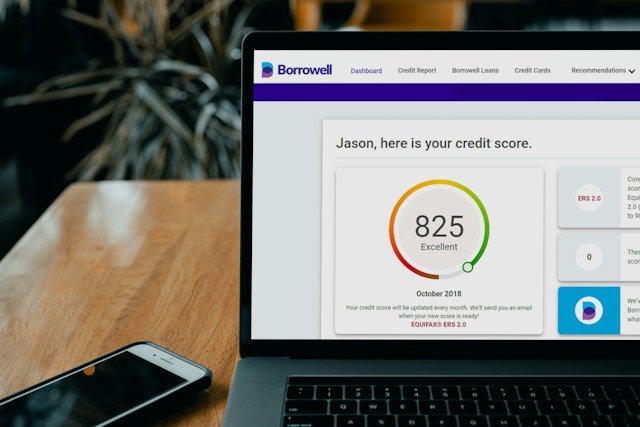
Three digits. That’s all it takes to shape whether you get approved for an apartment, what interest rate you’re offered on a car loan, and sometimes even whether a landlord or employer takes a second look at your application. Yet most people have never actually seen the formula behind their credit score — they just know a higher number is better and a lower one causes problems. In this article, we’re pulling back the curtain on how credit scores are actually calculated, what the underlying algorithm weighs most heavily, and why two people with seemingly similar financial habits can end up with very different scores.
What a Credit Score Actually Represents
A credit score is a three-digit number, typically ranging from 300 to 850, generated by a mathematical model that analyzes the information in your credit report to estimate how likely you are to repay borrowed money on time. It isn’t a measure of income, net worth, or overall financial health — it’s specifically a risk prediction tool built for lenders, designed to answer one narrow question: based on past credit behavior, how risky is it to lend this person money?
This distinction matters because it explains why someone with a high income but little credit history can have a lower score than someone with a modest income but years of consistent, on-time payments.
The Two Major Scoring Models
While several credit scoring models exist, two dominate the U.S. market: FICO Score and VantageScore. Both analyze similar underlying data from your credit report but use somewhat different formulas and weighting, which is why you might see slightly different scores depending on which model a lender uses to check your credit.
FICO Score
Developed by the Fair Isaac Corporation, FICO Score has been the dominant scoring model used by lenders for decades, particularly for major decisions like mortgage approvals. Multiple versions of the FICO formula exist, with lenders sometimes using industry-specific versions tailored for auto loans or credit cards.
VantageScore
Created collaboratively by the three major credit bureaus — Equifax, Experian, and TransUnion — VantageScore was designed partly to score consumers with thinner credit files more effectively than older scoring models could, and has grown significantly in adoption over recent years.
The Five Core Factors Behind Your Score
Despite differences between scoring models, most credit scoring algorithms weigh a similar set of core factors, just with slightly different emphasis. Here’s how FICO, the most widely referenced model, generally breaks down the weighting:
| Factor | Approximate Weight | What It Measures |
|---|---|---|
| Payment History | 35% | Whether you’ve paid past credit accounts on time |
| Credit Utilization | 30% | How much of your available credit you’re currently using |
| Length of Credit History | 15% | How long your credit accounts have been open |
| Credit Mix | 10% | The variety of credit types you manage (cards, loans, mortgages) |
| New Credit Inquiries | 10% | How many new credit applications you’ve recently made |
Payment History: The Single Biggest Factor
Payment history carries the heaviest weight in most scoring models, and for good reason — it’s the most direct signal of whether you actually repay what you borrow. A single missed payment, especially one that goes 30 days or more past due, can meaningfully lower your score, and the impact tends to be more severe the more recent and more delinquent the missed payment is.
Credit Utilization: The Percentage That Matters
Credit utilization measures how much of your available revolving credit — primarily credit cards — you’re currently using, expressed as a percentage. If you have a $10,000 total credit limit across your cards and carry a $3,000 balance, your utilization is 30%. Scoring models generally favor lower utilization, with many financial educators pointing to keeping utilization under 30% as a commonly cited guideline, though even lower utilization tends to correlate with stronger scores.
A Practical Example: Imagine two people with identical payment histories — both have never missed a payment. Person A has a $1,000 credit limit and carries a $900 balance, putting utilization at 90%. Person B has a $10,000 credit limit and also carries a $900 balance, putting utilization at just 9%. Despite having the same dollar amount of debt, Person B’s dramatically lower utilization percentage will typically result in a meaningfully higher credit score, illustrating why utilization is measured as a ratio rather than a flat dollar amount.
Length of Credit History
This factor considers both the age of your oldest account and the average age of all your accounts. It’s part of why financial educators often caution against closing your oldest credit card, even if you rarely use it — doing so can shorten your average credit age and potentially lower your score.
Credit Mix
Scoring models give some credit for successfully managing a variety of credit types — a mix of revolving credit (like credit cards) and installment credit (like auto loans or mortgages) — since it demonstrates the ability to handle different repayment structures responsibly. That said, this factor carries a relatively small weight compared to payment history and utilization, so it’s rarely worth opening a new type of credit purely to diversify your mix.
New Credit Inquiries
Each time you apply for new credit, a “hard inquiry” is typically recorded on your credit report, which can cause a small, temporary dip in your score. Multiple hard inquiries within a short period can signal higher risk to lenders, though most scoring models include special logic that groups similar inquiries — like rate shopping for a mortgage or auto loan within a short window — into a single inquiry for scoring purposes.
Score Ranges and What Lenders Generally Consider Them to Mean
| Score Range | General Category |
|---|---|
| 800–850 | Exceptional |
| 740–799 | Very Good |
| 670–739 | Good |
| 580–669 | Fair |
| 300–579 | Poor |
It’s worth noting that these category labels are general industry conventions rather than a fixed rule every lender follows identically. A specific lender might set its own approval threshold at a different point within these ranges depending on the type of credit being offered and their own internal risk tolerance.
How Credit-Builder Products Are Designed Around the Algorithm
Understanding the algorithm also explains why certain financial products are specifically marketed as “credit builders.” Secured credit cards, for example, require a cash deposit that typically matches the credit limit, dramatically reducing risk for the issuer while still generating the on-time payment history and utilization data the scoring algorithm rewards. Similarly, credit-builder loans work by holding the borrowed funds in a locked account while the borrower makes payments, reporting that consistent payment history to the credit bureaus without ever actually extending accessible credit upfront — a structure built entirely around influencing the payment history factor in a low-risk way.
What’s Not Included in Your Credit Score
It’s worth clarifying what credit scoring models specifically exclude, since misunderstandings here are common:
- Income: Your salary isn’t part of the credit score calculation, though lenders often consider it separately during the actual loan approval decision.
- Employment history: Your job title or how long you’ve worked somewhere isn’t a scoring factor.
- Checking or savings account balances: How much money you have isn’t reflected in your credit score.
- Rent or utility payments: These traditionally weren’t included, though some newer scoring models have begun incorporating alternative data like rent payment history in specific circumstances.
Why You Might Have Different Scores From Different Sources
It’s common to check your credit score through one app or bank and see a different number than what a mortgage lender pulls a few weeks later. This usually comes down to a combination of factors: which scoring model was used (FICO versus VantageScore), which credit bureau’s data was pulled (since not every lender reports to all three bureaus), and the exact date the score was calculated, since your credit report data can shift from week to week as new information gets reported.
“There isn’t one single ‘true’ credit score — there are dozens of scoring model and bureau combinations. What matters most isn’t chasing a specific number from a specific app, but understanding which factors consistently move your score in the right direction.”
How Credit Scoring Algorithms Have Evolved
Early credit scoring relied on simpler statistical models built primarily around payment history and basic account data. Over time, scoring models have grown more sophisticated, incorporating more nuanced pattern recognition around how different types of negative marks — like a single late payment versus a bankruptcy — should be weighted differently based on severity and recency. Newer scoring models have also worked to better serve consumers with limited credit history, sometimes called “thin file” borrowers, by incorporating alternative data sources where available.
This evolution reflects a broader shift in the fintech and credit industry toward more granular, data-driven risk assessment. Rather than treating all late payments or all credit inquiries the same way, modern models attempt to weigh context — how recent an issue was, how severe it was, and how it fits into the overall pattern of someone’s credit behavior over time — producing a more nuanced prediction than earlier, simpler scoring formulas were capable of.
How Long Negative Marks Stay on Your Credit Report
| Type of Negative Mark | Typical Time on Report |
|---|---|
| Late payment | Up to 7 years |
| Collections account | Up to 7 years from original delinquency date |
| Chapter 7 bankruptcy | Up to 10 years |
| Hard inquiry | Up to 2 years, though impact fades faster |
Even though these marks can remain on your report for years, their actual impact on your score tends to lessen significantly over time, particularly as you continue building a more recent history of positive payment behavior.
Authorized User Accounts and Their Effect on Scoring
Being added as an authorized user on someone else’s credit card is another mechanism worth understanding, since it can influence a score in either direction. If the primary cardholder maintains a long history of on-time payments and low utilization, that positive history is often reflected on the authorized user’s credit report as well, which is why this strategy is sometimes used to help a family member build credit. However, the reverse is also true — if the primary cardholder carries high balances or misses payments, that negative pattern can pull down the authorized user’s score too, making it important to fully trust the primary account holder’s habits before agreeing to this arrangement.
Practical Habits That Influence the Algorithm Positively
- Pay every account on time, every time — this single habit carries the most weight in the entire calculation.
- Keep credit utilization low relative to your total available credit, ideally well under 30%.
- Avoid closing old credit accounts unnecessarily, since this can shorten your credit history length.
- Space out new credit applications rather than applying for several accounts in a short window.
- Check your credit report regularly for errors, since inaccurate information can unfairly drag down your score.
- Keep a small number of accounts consistently active rather than letting cards go dormant, since some issuers close inactive accounts, which can unexpectedly shorten your credit history and raise your utilization ratio.
How to Check Your Credit Report for Errors
Since your credit score is calculated directly from the data in your credit report, an error on that report — a payment incorrectly marked late, an account that isn’t actually yours, or outdated balance information — can directly and unfairly lower your score. U.S. consumers are entitled to a free copy of their credit report from each of the three major bureaus, and reviewing these reports periodically for inaccuracies is one of the most overlooked ways to protect your score.
Why Credit Scores Matter Beyond Loan Approval
While most people associate credit scores with loan and credit card approval, the number can influence other areas of financial life as well, including the interest rate offered on approved credit, security deposit requirements for some rental applications, and in certain states, auto insurance premium calculations. This wider reach is part of why understanding the underlying algorithm — rather than treating the score as a mysterious black box — genuinely benefits everyday financial decision-making.
When Professional Guidance Might Help
- If you’ve identified a significant error on your credit report and need help navigating the dispute process
- If you’re recovering from a major negative event like bankruptcy and want a structured rebuilding plan
- If you’re preparing for a major loan application and want a detailed review of your credit profile beforehand
Frequently Asked Questions (FAQ)
How often does my credit score update?
Your score can change whenever new information is reported to the credit bureaus, which often happens monthly as lenders report account activity, though the exact timing varies by creditor.
Does checking my own credit score lower it?
No. Checking your own score is considered a “soft inquiry” and does not affect your credit score, unlike a “hard inquiry” triggered when a lender checks your credit for a loan application.
Can paying off debt hurt my credit score?
It’s uncommon, but possible in specific situations — for example, closing your only credit card after paying it off could shorten your credit history and reduce your available credit, potentially raising your utilization ratio on remaining accounts.
Why did my score drop even though I didn’t miss any payments?
Several factors beyond missed payments can lower a score, including a spike in credit utilization, a new hard inquiry, an account being closed, or an error appearing on your credit report.
Is there a way to see exactly how the credit score formula works?
The exact mathematical formulas used by FICO and VantageScore are proprietary and not fully publicly disclosed, though both companies publish the general weighting of major factors, which is the breakdown reflected throughout this article.
Do employers check credit scores during hiring?
Some employers review a modified version of your credit report, often called a credit check for employment purposes, though this typically doesn’t include your actual numeric score and is usually limited to specific industries, such as roles involving financial responsibility, and generally requires your consent.
Conclusion
Behind every three-digit credit score sits a carefully weighted algorithm built to answer a single question for lenders: how reliably does this person repay debt? Understanding that payment history and credit utilization together account for the majority of that calculation — while length of history, credit mix, and new inquiries play smaller supporting roles — turns an intimidating black-box number into something far more actionable. Rather than chasing a specific score from a specific app, focusing on the underlying habits the algorithm actually rewards is what leads to lasting, meaningful improvement over time.