

Fintech & Banking Technology
How Payment Gateways Work: Online Transaction Guide
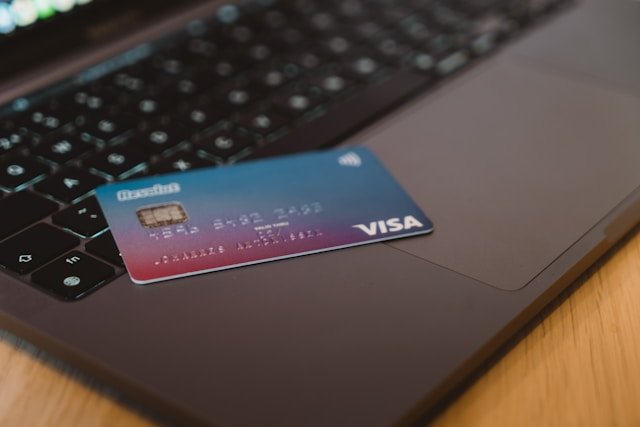
Every time you enter your card details on a website and click “Pay Now,” an entire relay race of computer systems springs into motion — banks, card networks, fraud checks, and encrypted data all working together in under two seconds. Most shoppers never think about it, and honestly, they’re not supposed to. That invisibility is the whole point. But if you’ve ever wondered what a “payment gateway” actually is, or why your card sometimes gets declined for no obvious reason, this article walks through exactly what happens behind that checkout button — step by step, in plain language.
What Is a Payment Gateway?
A payment gateway is the technology that securely captures and transmits your card or payment information from a website’s checkout page to the broader banking system for approval. Think of it as the digital equivalent of a card reader at a physical store — except instead of swiping a card at a counter, the gateway encrypts your payment details and passes them along a chain of financial systems that ultimately decide whether the transaction is approved or declined.
It’s worth distinguishing a payment gateway from a payment processor, since the two terms are often used interchangeably but technically play different roles. The gateway is primarily responsible for securely capturing and transmitting the transaction data, while the processor handles the actual movement of funds between the banks involved. In practice, many modern fintech companies bundle both functions together into a single service, which is part of why the distinction can feel blurry to everyday users.
The Full Journey of an Online Transaction
To really understand how this works, it helps to walk through the entire lifecycle of a single purchase, from the moment you click “Pay Now” to the moment the merchant actually sees the money in their account.
Step 1: Data Capture and Encryption
The instant you submit your card details, the payment gateway encrypts that information before it ever leaves your browser in a readable form. This encryption is what makes it possible for sensitive data to travel across the internet without being exposed in plain text, even if the connection were somehow intercepted.
Step 2: Routing to the Payment Processor
Once encrypted, the transaction data is sent to a payment processor, which acts as the intermediary between the merchant’s bank (often called the “acquiring bank”) and the broader card networks like Visa, Mastercard, or similar systems.
Step 3: The Card Network’s Role
The card network essentially acts as a messenger between the acquiring bank and the customer’s own bank (the “issuing bank”), routing the authorization request to confirm whether the account has sufficient funds or available credit, and whether the transaction looks legitimate based on the issuing bank’s own fraud checks.
Step 4: The Issuing Bank’s Decision
The issuing bank — the customer’s own bank — makes the final call on whether to approve or decline the transaction. This decision considers available balance or credit limit, whether the card has been reported lost or stolen, and internal fraud-scoring models that flag unusual spending patterns.
Step 5: The Response Travels Back
Once a decision is made, it travels back through the same chain — issuing bank to card network to processor to gateway — arriving back at the checkout page as either an approval or a decline, typically within one to three seconds despite the number of systems involved.
| Step | Who’s Involved | What Happens |
|---|---|---|
| 1 | Payment Gateway | Captures and encrypts checkout data |
| 2 | Payment Processor | Routes the transaction toward the card network |
| 3 | Card Network | Passes the authorization request to the issuing bank |
| 4 | Issuing Bank | Approves or declines based on funds and fraud checks |
| 5 | Response | Decision travels back to the checkout page in real time |
A Practical Example: Picture someone buying a $60 pair of shoes from an online store. The moment they click “Pay Now,” the gateway encrypts their card details and sends them to the processor, which forwards the request through the card network to the shopper’s bank. The bank checks the account balance, runs a quick fraud check, and sends back an approval — all in about two seconds. The shoe store sees an “Order Confirmed” message almost instantly, even though, behind the scenes, the actual movement of funds between banks hasn’t fully settled yet. That final settlement typically happens in a batch process, often within one to three business days.
Authorization vs Settlement: Two Very Different Steps
One of the most misunderstood parts of online payments is the difference between authorization and settlement, and understanding it clears up a lot of confusion about why a “pending” charge sometimes looks different from the final amount on your statement.
Authorization
Authorization is simply the bank confirming that funds are available and placing a temporary hold on that amount. At this stage, no money has actually changed hands — it’s essentially a reservation.
Settlement
Settlement is the actual transfer of funds from the customer’s bank to the merchant’s bank, which typically happens later, often as part of a batch of transactions processed together at the end of the business day. This is why a charge can show as “pending” on your account for a day or two before it fully posts.
Why Payment Gateways Matter So Much for Security
Tokenization
Many modern payment gateways use a security technique called tokenization, which replaces your actual card number with a randomly generated “token” that has no meaningful value if intercepted. The merchant’s system stores and processes this token instead of your real card number, meaning even a data breach on the merchant’s side wouldn’t expose usable card information.
PCI DSS Compliance
Any business that processes card payments online is generally required to comply with the Payment Card Industry Data Security Standard, a set of security requirements covering how card data is stored, transmitted, and protected. Reputable payment gateways handle much of this compliance burden on behalf of merchants, which is a major reason small businesses rely on established gateway providers rather than trying to build their own payment infrastructure from scratch.
3D Secure Authentication
For added protection, many transactions now pass through an extra verification layer called 3D Secure, which may prompt the shopper for a one-time code sent via text message or a banking app confirmation. This extra step shifts fraud liability away from the merchant in many cases, which is why some online stores use it selectively for higher-risk transactions.
Why Cards Sometimes Get Declined
Declines can feel frustrating and confusing, especially when there’s clearly enough money in the account. A few common, often overlooked reasons include:
- Address verification mismatches: If the billing address entered doesn’t match what the bank has on file, some issuing banks will decline the transaction as a precaution.
- Unusual spending patterns: A purchase that doesn’t match your typical spending behavior — an unusually large amount, an unfamiliar merchant category, or a purchase from an unexpected location — can trigger automatic fraud flags.
- Expired card details: Even a single incorrect digit in the expiration date or security code will cause an automatic decline.
- Gateway-level fraud filters: Beyond the bank’s own checks, many payment gateways run their own independent risk scoring, which can block a transaction even if the bank itself would have approved it.
Different Types of Payment Gateways
Not all payment gateways work identically. Broadly, they tend to fall into a few structural categories:
- Hosted gateways: The shopper is redirected to the gateway provider’s own secure payment page to complete the transaction, then returned to the merchant’s site afterward.
- Self-hosted (integrated) gateways: The payment form is embedded directly within the merchant’s own website, offering a more seamless checkout experience, though it places more security responsibility on the merchant.
- API-based gateways: Developers build a fully custom checkout flow using the gateway provider’s API, giving maximum design flexibility while still relying on the provider’s underlying security and processing infrastructure.
Each approach involves a different balance between user experience, development complexity, and how much security responsibility sits with the merchant versus the gateway provider.
“A payment gateway’s real job isn’t just moving money — it’s making an enormously complex chain of banks and fraud systems feel completely invisible to the person clicking ‘Pay Now.'”
How Payment Gateways Handle International Transactions
When a purchase involves a card issued in a different country than the merchant’s bank, the payment gateway and processor typically handle currency conversion as part of the authorization process, often using real-time exchange rates plus a small conversion fee. This added complexity is part of why international transactions can sometimes take slightly longer to process or face a higher likelihood of being flagged for additional fraud review, since cross-border purchases statistically carry higher fraud risk than domestic ones.
Chargebacks: What Happens When a Payment Is Disputed
Even after a transaction settles, it isn’t always final. If a cardholder disputes a charge — claiming it was unauthorized, that the item never arrived, or that it didn’t match what was advertised — the issuing bank can initiate a chargeback, reversing the funds back to the customer’s account. The payment gateway and processor are typically involved in relaying this dispute process, giving the merchant an opportunity to submit evidence contesting the chargeback before a final decision is made. Because chargebacks come with their own processing fees, most gateways include built-in fraud prevention tools specifically aimed at reducing chargeback rates for merchants.
How Digital Wallets Fit Into the Gateway Process
When a shopper pays using a digital wallet instead of manually typing card details, the underlying process is remarkably similar — the wallet simply acts as a secure middleman that has already stored a tokenized version of the card. Instead of the gateway capturing raw card numbers, it receives a token directly from the wallet provider, which is then routed through the same processor-to-network-to-issuing-bank chain described earlier. This is part of why digital wallet payments are often considered slightly more secure than manually entered card details — the actual card number rarely touches the merchant’s system at all.
Recurring Payments and Subscription Billing
Payment gateways also handle a very different challenge for subscription-based businesses: charging a customer’s card automatically on a recurring schedule without requiring them to re-enter their details each time. This is typically done by securely storing a tokenized version of the card on the gateway’s servers, then submitting a new authorization request using that token on each billing date. If a recurring charge fails — often due to an expired card — many gateways include automated retry logic and card-updating tools that attempt to recover the payment before a subscription lapses, which is a major reason streaming services and subscription boxes rarely interrupt service over a single failed payment attempt.
What Merchants Should Look for in a Payment Gateway
- Transparent fee structure: Understanding per-transaction fees, monthly costs, and any hidden charges before committing to a provider.
- Strong fraud prevention tools: Built-in address verification, 3D Secure support, and customizable risk rules.
- Reliable uptime: Since a gateway outage directly blocks sales, providers with a strong track record of reliability matter significantly.
- Support for multiple payment methods: Beyond standard cards, support for digital wallets and alternative payment methods can improve conversion rates.
- Clear settlement timelines: Understanding exactly when funds actually land in the business’s bank account after a sale.
Mobile Checkout and Why Speed Matters So Much
On mobile devices, every extra second or additional form field at checkout measurably increases the chance a shopper abandons their cart before completing a purchase. This has pushed payment gateway providers to prioritize streamlined mobile checkout flows — autofill support, one-tap wallet payments, and simplified form layouts — since even small friction points can meaningfully affect a merchant’s conversion rate. It’s one of the less visible reasons gateway providers invest heavily in interface design, not just backend security.
The Future of Payment Gateway Technology
As real-time payment infrastructure continues to expand, the gap between “authorization” and “settlement” is likely to keep narrowing, moving toward instant fund availability rather than the batch-based settlement common today. At the same time, fraud detection is increasingly shifting toward machine learning models that analyze behavioral patterns in real time, rather than relying solely on static rules, which should continue improving both approval accuracy and fraud prevention simultaneously.
When Professional Guidance Might Help
- If you’re a business owner selecting a payment gateway and need to compare fee structures and compliance requirements in depth
- If you’re dealing with a high chargeback rate and need a tailored fraud prevention strategy
- If your business needs to process international payments and requires guidance on cross-border compliance
Frequently Asked Questions (FAQ)
Is a payment gateway the same as a payment processor?
Not exactly, though the terms are often used interchangeably. The gateway primarily captures and securely transmits transaction data, while the processor handles moving the actual funds between banks — many modern providers combine both functions into one service.
Why does my bank statement show a charge before I actually see the item ship?
That’s typically the authorization hold, which reserves the funds immediately, while the actual settlement — the real transfer of money — often happens a day or two later as part of a batch process.
Is it safe to enter my card details on any website with a payment gateway?
Reputable gateways use encryption and tokenization to protect your data, but it’s still wise to check for basic trust signals, like a secure connection indicator in your browser, before entering sensitive payment information on any unfamiliar site.
Why was my card declined even though I have enough money?
Declines can stem from several sources beyond available balance, including address mismatches, expired card details, or automated fraud filters flagging the transaction as unusual, at either the gateway or bank level.
How long does it take for a merchant to actually receive payment?
While authorization happens almost instantly, full settlement into the merchant’s bank account commonly takes one to three business days, depending on the payment gateway and banking partners involved.
Conclusion
Payment gateways are one of the clearest examples of complex financial infrastructure operating almost invisibly in the background of everyday life. In the span of a couple of seconds, a single online purchase triggers encryption, routing through multiple banks and card networks, real-time fraud analysis, and a temporary authorization hold — long before the actual transfer of funds even takes place. Understanding this process doesn’t just satisfy curiosity; it helps explain everything from why a charge shows as “pending” to why a perfectly valid card sometimes gets declined. As real-time payment technology continues to evolve, this entire chain is only likely to get faster and more seamless, even as it stays just as invisible to the shopper clicking “Pay Now.”