

Fintech & Banking Technology
How Buy Now, Pay Later Services Work Behind the Scenes
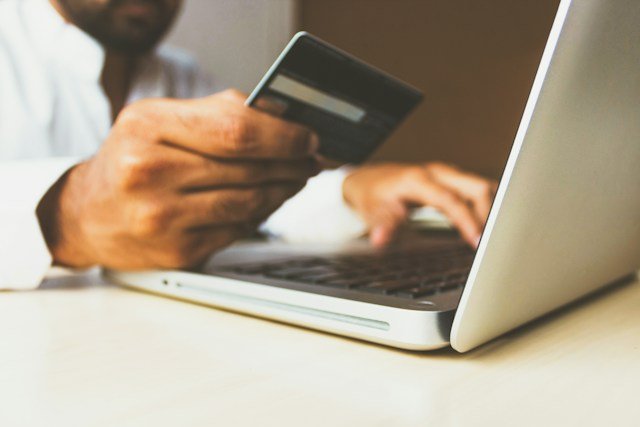
You’re checking out online, the total looks a little steeper than you’d like, and then a small button appears: “Split into 4 payments of $25, interest-free.” One tap later, your order is confirmed and you’ve barely thought twice about it. Buy Now, Pay Later — usually shortened to BNPL — has become one of the fastest-growing ways Americans pay for everything from sneakers to furniture. But what’s actually happening in the background when you choose that option at checkout? This article walks through the real mechanics of BNPL: how approval decisions get made in seconds, who actually pays the merchant, and where these companies make their money.
What Is Buy Now, Pay Later?
Buy Now, Pay Later is a short-term financing option offered at the point of sale — usually online, though increasingly in physical stores too — that lets a shopper split the cost of a purchase into a series of smaller payments over a set period of time, often without traditional interest charges for shorter plans. Instead of applying for a store credit card or paying the full amount upfront, the customer selects BNPL as a payment method, and a separate fintech company steps in to handle the financing.
Unlike a traditional credit card, most BNPL plans are tied to a single specific purchase rather than functioning as an open revolving line of credit you can keep drawing from indefinitely.
The Three Parties Involved in Every BNPL Transaction
To understand how BNPL actually works, it helps to recognize that every transaction involves three separate parties, each with a different role and a different financial incentive.
| Party | Role |
|---|---|
| The Shopper | Makes the purchase and agrees to repay the split amount over time. |
| The Merchant | Sells the product and receives payment, usually in full, almost immediately from the BNPL provider. |
| The BNPL Provider | Fronts the money to the merchant, then collects installment payments directly from the shopper over time. |
This three-party structure is the real engine behind BNPL’s popularity with merchants: the store gets paid in full right away, while the BNPL company absorbs the job — and the risk — of collecting installments from the customer over the following weeks.
What Happens in the Seconds Before Approval
The Instant Underwriting Decision
When you select a BNPL option at checkout, the provider runs a rapid risk assessment, often completed in just a few seconds. Unlike a traditional loan application, this usually doesn’t involve a lengthy form. Instead, the BNPL company analyzes a combination of signals: the purchase amount, basic identity and contact information you provide, and often a “soft” credit check that doesn’t affect your credit score, along with internal data from the provider’s own repayment history with returning customers.
Why It Feels So Fast Compared to Traditional Credit
Traditional lenders like credit card issuers historically relied heavily on full credit bureau reports and manual underwriting standards built for larger, longer-term credit lines. BNPL providers, by contrast, are typically underwriting a much smaller dollar amount over a much shorter repayment window, which allows them to rely more heavily on automated, algorithm-driven decisions rather than deep manual review. This is a major reason approval can happen almost instantly at checkout.
How the Money Actually Moves
Step-by-Step Flow of Funds
| Step | What Happens |
|---|---|
| 1. Checkout | Shopper selects BNPL as the payment method and completes a quick approval check. |
| 2. Merchant Payment | The BNPL provider pays the merchant the full purchase amount, minus a merchant fee, typically within a day or two. |
| 3. Installment Schedule Created | The provider sets up a repayment schedule for the shopper, often four payments spread over six weeks for short-term plans. |
| 4. Automatic Withdrawals | Each installment is automatically charged to the shopper’s linked debit card, credit card, or bank account on the scheduled date. |
| 5. Final Payment | Once all installments are collected, the loan is considered fully repaid and closed. |
A Practical Example: Imagine a $200 purchase split into four payments of $50 every two weeks. The merchant typically receives close to the full $200 almost immediately, minus a merchant processing fee that might range from a few percentage points to a higher amount, depending on the provider and the risk of the transaction. The shopper then owes the BNPL provider four separate $50 installments, automatically withdrawn on the agreed dates — meaning the BNPL company, not the store, is the one managing collection, reminders, and any late payment situations going forward.
How BNPL Companies Actually Make Money
Since many short-term BNPL plans are advertised as interest-free, it’s a fair question to ask how these companies are profitable. In practice, revenue tends to come from a combination of sources:
- Merchant fees: Retailers pay the BNPL provider a percentage of each transaction, similar to (but often higher than) standard credit card processing fees, in exchange for the guaranteed upfront payment and the potential boost in sales conversion.
- Late fees: If a shopper misses a scheduled installment, many providers charge a flat late fee, which can add up if payments are consistently missed.
- Interest on longer-term plans: While short four-payment plans are frequently interest-free, longer financing plans — sometimes stretching six, twelve, or more months for larger purchases — often do carry interest, similar to a traditional installment loan.
- Interchange and card-network fees: Some providers issue their own virtual cards for BNPL use, earning a share of standard card network transaction fees.
Understanding this revenue model explains why merchants are willing to pay a premium to offer BNPL: providers can point to data suggesting shoppers spend more, and complete more purchases, when a lower per-payment amount is shown at checkout — even though the total cost to the shopper is the same.
Why Retailers Love Offering BNPL
- Higher conversion rates: Seeing “4 payments of $25” instead of “$100 today” can reduce the psychological friction of a purchase decision.
- Larger average order values: Shoppers using BNPL options frequently add more items to their cart compared to standard checkout, since the per-payment amount feels smaller.
- Guaranteed, upfront payment: The merchant isn’t waiting on the shopper’s future installments — that risk shifts entirely to the BNPL provider.
- Competitive necessity: As BNPL has become widely expected by shoppers, many retailers feel pressure to offer it simply to remain competitive with others in their category.
The Risks and Trade-Offs Shoppers Should Understand
It’s Still Debt, Even Without Traditional Interest
Because many BNPL plans don’t charge interest on short-term options, it can be easy to mentally categorize them as different from “real” debt. In reality, a BNPL installment plan is still a binding financial obligation — missing payments can trigger late fees, and depending on the provider, may eventually be reported to credit bureaus or sent to collections.
Stacking Multiple BNPL Plans
Because approval happens instantly and independently at each retailer, it’s possible for a shopper to open several BNPL plans across different providers within a short period, without any single company having full visibility into the shopper’s total outstanding obligations. This “loan stacking” risk is one of the more significant concerns consumer advocates have raised about the BNPL industry as it has scaled.
Automatic Withdrawals and Overdraft Risk
Since installments are typically withdrawn automatically on a fixed schedule, a shopper who doesn’t carefully track their linked account balance risks triggering an overdraft fee from their bank if the funds aren’t available on the scheduled payment date — a cost that can sometimes exceed the BNPL late fee itself.
“BNPL didn’t invent installment payments — retailers have offered layaway and financing plans for generations. What’s new is the speed: a decision that once took days at a store counter now happens in the time it takes to tap a button.”
BNPL vs Traditional Credit Cards
| Feature | Credit Card | BNPL |
|---|---|---|
| Structure | Revolving credit line, reusable | Usually tied to a single purchase |
| Approval process | Formal application, hard credit check | Instant, often a soft credit check only |
| Interest | Ongoing interest if balance isn’t paid in full | Often interest-free for short plans; interest possible on longer plans |
| Credit bureau reporting | Consistently reported | Varies significantly by provider |
| Best suited for | Ongoing, flexible spending | Planned, one-time purchases |
How BNPL Reached In-Store Checkout, Not Just Online
BNPL began almost entirely as an online checkout feature, but many providers have since expanded into physical retail through partnerships with point-of-sale systems and dedicated shopping apps that generate a one-time virtual card. A shopper can open the provider’s app before heading to a physical store, get approved for a spending limit, and generate a virtual card number to use at the register just like a regular debit or credit card. This extension into brick-and-mortar retail has significantly widened the pool of purchases BNPL can be used for, beyond its original online-only roots.
The Difference Between Pay-in-4 and Longer Installment Loans
Not all BNPL products work the same way, and lumping them together can be misleading. It’s worth separating two broad categories that often get grouped under the same “BNPL” label:
- Pay-in-4 plans: Typically used for smaller purchases, split into four equal payments over about six weeks, usually with no interest if payments are made on time.
- Longer-term installment plans: Used for larger purchases like furniture or electronics, often spanning several months to a couple of years, and structured more like a traditional fixed-rate installment loan, including interest charges disclosed as an annual percentage rate.
Recognizing which category a specific offer falls into is one of the most important steps a shopper can take before agreeing to a plan, since the cost structure and credit implications can differ substantially between the two.
How BNPL Providers Manage Risk
Behind the instant approval screen, BNPL companies run sophisticated risk models built specifically around short-term, small-dollar lending. Because the repayment window is short and the amounts are relatively small compared to traditional loans, providers can afford to accept a certain percentage of defaults as a built-in cost of doing business, spread across a much larger pool of successful, on-time repayments. This is a fundamentally different risk approach than a mortgage or auto lender would use, where a single default represents a much larger financial loss.
Machine learning models are frequently used to continuously refine approval decisions, incorporating repayment behavior from returning users to adjust future spending limits and approval likelihood over time.
The Regulatory Landscape for BNPL in the U.S.
Because BNPL is a relatively new category, regulatory treatment has been evolving. Depending on how a specific plan is structured — particularly whether interest or finance charges apply — a BNPL product may fall under different existing consumer credit regulations. Regulators have increasingly focused on ensuring BNPL disclosures are clear, that late fees are reasonably capped, and that consumer protections comparable to traditional credit products are extended to BNPL borrowers as the industry continues to mature.
Tips for Using BNPL Responsibly
- Track every active plan across different providers so you have a clear picture of your total upcoming obligations.
- Confirm the payment schedule against your pay dates to avoid overdraft risk on automatic withdrawal days.
- Read the specific plan’s terms before confirming, since interest, fees, and reporting practices can vary significantly between providers and even between different plan lengths from the same provider.
- Avoid using BNPL for non-essential purchases you couldn’t otherwise afford outright, since the ease of approval can make overspending easier to fall into.
- Set your own reminders rather than relying solely on the provider’s notifications, especially if you’re managing multiple active plans.
How BNPL Fits Into a Broader Budget
Financial planners who discuss BNPL often frame it less as “good” or “bad” and more as a tool whose usefulness depends entirely on how it’s incorporated into a person’s existing spending plan. Treating a BNPL commitment the same way you’d treat any other fixed monthly obligation — writing it down alongside rent, subscriptions, and other recurring payments — tends to prevent the most common pitfall: forgetting that a series of small payments still adds up to the full purchase price, plus any fees, due on a fixed schedule regardless of what else is happening with your finances that month.
When BNPL Might Not Be the Right Choice
While BNPL can be a genuinely useful tool for planned, budgeted purchases, it’s generally worth pausing before using it for impulse buys, purchases you’d struggle to afford even in full-price form, or situations where you’re already juggling several active installment plans. Financial counselors often note that the psychological framing of “small payments” can obscure the total cost of a purchase in a way that a single upfront price tag doesn’t.
Frequently Asked Questions (FAQ)
Does using BNPL affect my credit score?
It depends on the provider and the specific plan. Many short-term, interest-free plans only involve a soft credit check that doesn’t affect your score, while longer-term financed plans are more likely to involve a hard credit check and ongoing credit bureau reporting.
What happens if I miss a BNPL payment?
Consequences vary by provider but often include a late fee, a temporary hold on using that provider for future purchases, and in some cases, the missed payment being reported to credit bureaus or sent to a collections process.
Can I return an item I bought using BNPL?
Generally yes, following the retailer’s normal return policy. Once a return is processed, the BNPL provider typically adjusts or cancels the remaining installment schedule, though refund timing can vary by provider.
Is BNPL considered a loan?
Functionally, yes — it’s a short-term financing arrangement, even when structured as interest-free. It creates a legal repayment obligation, which is why it’s treated as a form of consumer credit by regulators and analysts.
Why do some BNPL plans charge interest while others don’t?
Shorter plans, often four payments over six weeks, are frequently interest-free and monetized primarily through merchant fees. Longer-term plans for larger purchases more closely resemble traditional installment loans and often include interest charges to offset the extended repayment risk.
Conclusion
Buy Now, Pay Later has reshaped online checkout by turning a single upfront payment into a fast, algorithm-approved installment plan — all completed in the time it takes to read a confirmation screen. Behind that simplicity sits a three-party financial relationship, a rapid automated underwriting process, and a merchant-fee-driven business model that explains why so many retailers have embraced it. For shoppers, understanding exactly how approval, repayment, and fees work behind the scenes is the difference between using BNPL as a genuinely useful budgeting tool and accidentally stacking obligations that quietly outpace what a single price tag ever would have revealed.